
Increase Flexibility with Pilates Exercises-and age gracefully :)
- Ana Bolt Turrall
- Jan 8
- 4 min read

Updated: Mar 24
Flexibility is a cornerstone of overall wellness. It helps us move freely, reduces the risk of injury, and enhances our quality of life. If you’ve ever felt stiff or struggled with tight muscles, you know how important it is to keep your body limber. That’s where Pilates comes in! This gentle yet powerful practice is a fantastic way to increase flexibility, build strength, and improve posture. Let’s dive into how Pilates flexibility exercises can transform your body and your well-being.
Flexibility with pilates exercises is beneficial for your age
Age Flexibility exercises with Pilates are more than just stretching. They improve the range of motion in your joints and muscles, making everyday movements easier and more comfortable. When you’re flexible, you can bend, twist, and reach without pain or stiffness. This is especially important as we age or if we spend long hours sitting at a desk. For me, aging with agility and grace is a goal.
Pilates flexibility exercises focus on controlled movements that lengthen muscles and open up tight areas. Unlike quick stretches, Pilates encourages mindful breathing, alignment, and dynamic stretching, which helps your body relax and release tension. Plus, it strengthens the muscles around your joints, providing better support and stability.
Imagine waking up feeling light and agile, ready to take on the day with ease. That’s the gift of flexibility!

How Pilates Flexibility Exercises Work
Pilates is unique because it combines flexibility with strength and balance. The exercises are designed to stretch muscles gently while engaging your core and other supporting muscles. This balanced approach prevents overstretching and injury, making Pilates safe and effective for all fitness levels.
Here’s what happens during Pilates flexibility exercises:
Muscle elongation: Movements focus on lengthening muscles rather than just stretching them.
Joint mobility: Exercises encourage smooth, controlled joint movements to increase the range of motion.
Core engagement: A strong core supports your spine and helps maintain proper posture.
Breath control: Deep, rhythmic breathing relaxes muscles and improves oxygen flow.
Mind-body connection: Concentration on form and alignment enhances body awareness.
By practicing Pilates regularly, you’ll notice your muscles becoming more supple and your movements more fluid. It’s a wonderful way to feel more connected to your body and improve your overall function. This method of exercise balances your overall movement practice.
What type of Pilates is best for flexibility?
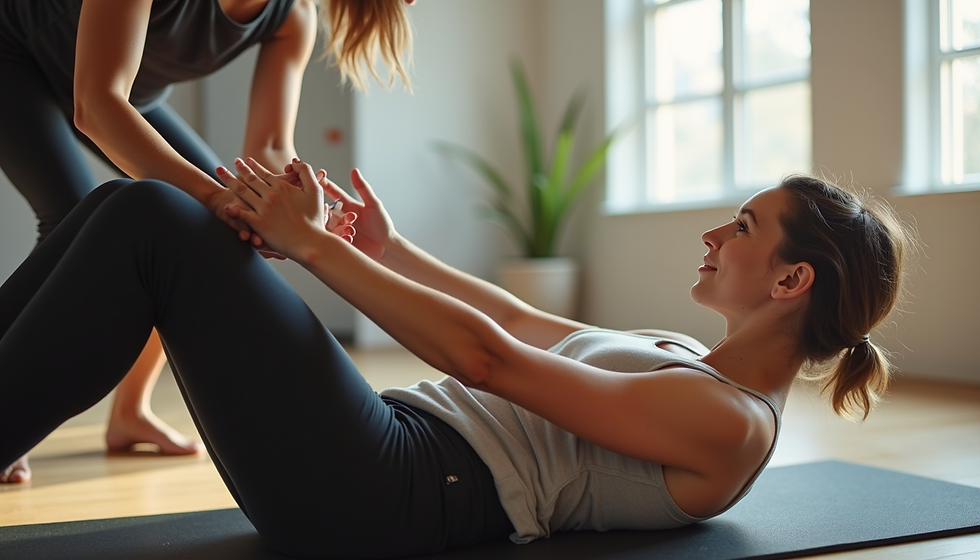
Not all Pilates classes are the same, and some styles are better suited for increasing flexibility. If your goal is to enhance your range of motion, look for a professional instructor who can personalize your program as I do here at The Bolt Movement in San Marco for privates and small group sessions. Look for classes that emphasizes slow, flowing movements and deep dynamic stretching.
When choosing a Pilates class, communicate your flexibility goals with your instructor. They can tailor exercises to your needs and help you progress safely.

Practical Pilates Flexibility Exercises to Try at Home
You don’t need a fancy studio or equipment to start improving your flexibility with Pilates. Here are some simple exercises you can do at home to get started:
1. Spine Stretch Forward
Sit tall with your legs extended hip-width apart.
Flex your feet and reach your arms forward.
Inhale to lengthen your spine.
Exhale and slowly reach toward your toes, keeping your back straight.
Hold for a few breaths, then roll back up.
This exercise gently stretches your hamstrings and lower back.
2. Saw
Sit with your legs extended wide.
Extend your arms out to the sides at shoulder height.
Twist your torso to the right and reach your left hand toward your right foot.
Return to the center and repeat on the other side.
Saw improves spinal rotation and hamstring flexibility.
3. Leg Circles
Lie on your back with one leg extended toward the ceiling.
Circle your leg slowly in one direction, keeping your hips stable.
Reverse the circle and switch legs.
This movement increases hip joint mobility and stretches the inner thighs.
4. Book Opening (Thoracic rotation)
Lie on your side with arms, hands extended out, and knees bent together.
Inhale, lift one arm, and sweep it up and over to the opposite side, keeping the knees stacked together. Exhale as you rotate and your gaze leads the spine.
The neck rotates along with the spine, and remember to exhale with rotation.
As you rotate a few times, you will notice how the fascia becomes more pliable.
Repeat several times. (Minimum 4X each side)
This flow mobilizes the spine and releases tension in the neck and back.
5. Roll Down (against a wall for effective articulation)
Stand tall with feet hip-width apart.
Slowly roll down through your spine, think of peeling the spine off the wall, reaching towards the floor.
Let your head and arms hang heavy.
Roll back up-think segmentally, and it will be a nice sensation throughout the spine.
Roll Down stretches the entire back and hamstrings while promoting spinal articulation.
Try incorporating these exercises into your daily routine. Even 10-15 minutes a day can make a big difference!
Tips for Maximizing Flexibility Gains with Pilates
Flexibility improves gradually, so patience and consistency are key. Here are some tips to help you get the most out of your Pilates practice:
Warm up first: Start with gentle movements or light cardio to increase blood flow.
Focus on breath: Use deep, controlled breathing to relax muscles and deepen stretches.
Move mindfully: Pay attention to your body’s signals and avoid pushing into pain.
Practice regularly: Aim for at least 3 sessions per week to see steady progress.
Stay hydrated: Drinking water helps keep muscles supple.
Use props: Resistance bands, foam rollers, and Pilates balls can enhance stretches.
Seek guidance: Working with a certified Pilates instructor ensures proper form and personalized adjustments.
Remember, flexibility is a journey, not a race. Celebrate small improvements and enjoy the process!
Embracing a More Flexible, Balanced Life
Increasing your flexibility with Pilates is about more than just touching your toes. It’s about creating a body that feels strong, balanced, and ready for life’s adventures. When you commit to these flexibility exercises, you’re investing in your long-term health and happiness.
At The Bolt Movement, we believe in personalized, functional movement programs that meet you where you are. Whether you’re new to Pilates or looking to deepen your practice, we’re here to support your journey toward lasting physical and mental well-being.
If you’re curious to explore more, check out this resource on Pilates for flexibility to learn how Pilates can help you unlock your body’s full potential.
Let’s move with ease, strength, and joy together!


Comments